Minus Wheel 8: A Creative Tool for Engaging Kids in Math
Teaching mathematics to young children often feels like a battle against short attention spans and abstract concepts. Numbers on a page can seem cold and intimidating, but when you introduce tactile, visual elements, the dynamic changes completely. This is where the Minus Wheel 8 comes into play. It is not just an embroidery design; it is a pedagogical tool disguised as a cheerful classroom decoration. By combining the utility of machine embroidery with the fundamentals of subtraction, this resource offers a unique way to make math practice feel like play.
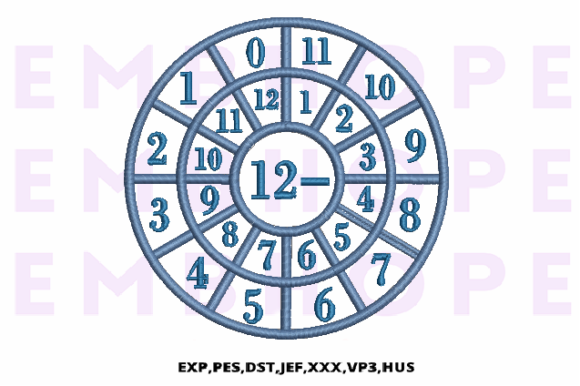
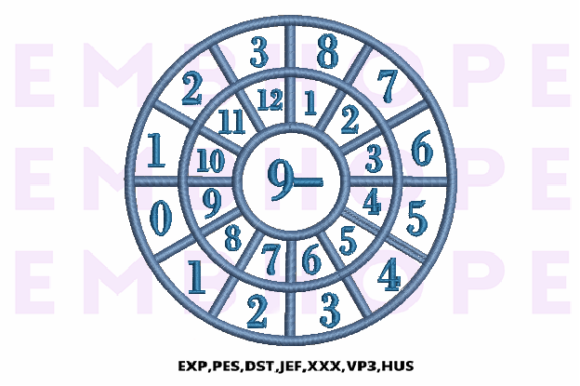
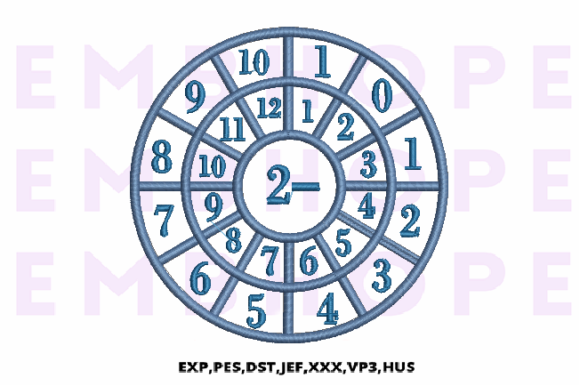
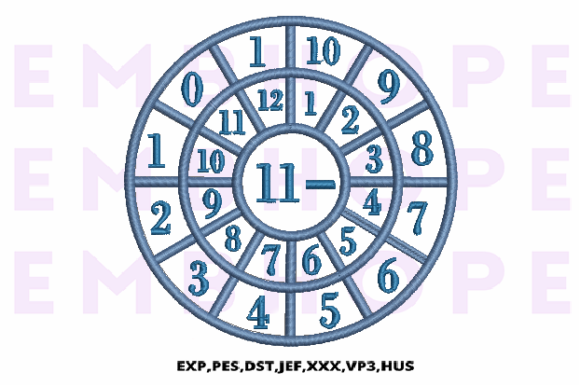
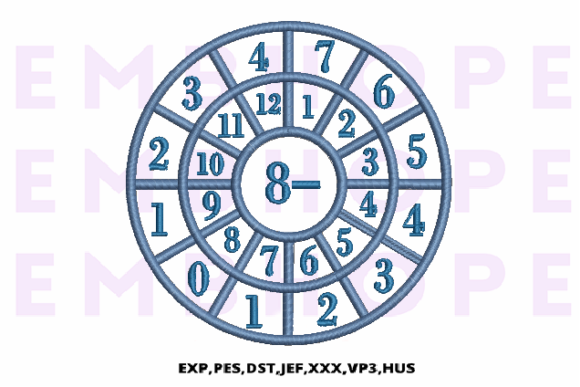
The concept is simple yet effective. The Minus Wheel 8 features a circular layout, typically divided into segments that allow students to visualize subtraction problems. Instead of staring at a worksheet, a child interacts with a bright, colorful wheel that has been stitched onto fabric. This could be part of a larger quilt, a standalone wall hanging, or even integrated into a student’s personal project bag. The "8" refers to the specific configuration or difficulty level, often involving numbers up to eight or eight distinct segments, making it perfect for early learners who are just grasping the concept of taking away.
Transforming Classroom Walls into Interactive Learning Zones
One of the most compelling uses for the Minus Wheel 8 is within the physical space of the classroom. Traditional bulletin boards often become static displays that students ignore after the first week. However, an embroidered minus wheel invites interaction. Imagine a large version stitched onto a felt board or a durable canvas hanging at eye level for kindergarteners. Teachers can use movable pins or velcro numbers to create daily challenges.
In this scenario, the embroidery serves as the anchor. The high-quality stitching ensures durability, which is crucial in a high-traffic environment where materials are handled frequently. The bright and cheery colors mentioned in the design description are not merely aesthetic choices; they are strategic. Color coding helps differentiate between the minuend, subtrahend, and difference, aiding visual learners who struggle with black-and-white text. When the design is prominent and appealing, it draws students in, turning a passive wall into an active learning station.
Personalized Learning Tools for Home Education
For homeschooling parents or tutors, the Minus Wheel 8 offers a customizable approach to curriculum supplementation. Unlike mass-produced plastic toys, an embroidered item carries a sense of care and permanence. Parents can stitch these wheels onto the backs of chair covers, creating a "math chair" where a child sits for their daily lessons. This creates a psychological association between the comfortable, familiar object and the practice of mathematics.
Furthermore, the portability of embroidery allows for learning on the go. A smaller version of the Minus Wheel 8 can be stitched onto a tote bag or a pillowcase. During car rides or waiting room visits, a parent can point to the wheel and ask quick subtraction questions. It transforms idle time into micro-learning opportunities without the need for screens or paper worksheets. The tactile nature of the thread also provides sensory feedback, which can be grounding for children who have difficulty focusing.
Crafting Confidence Through Creative Projects
Beyond direct instruction, the Minus Wheel 8 serves as an excellent project for older students or community craft groups looking to contribute to educational causes. Sewing clubs or 4-H groups might use this design to create items for donation to local schools or libraries. In this context, the act of embroidering the wheel becomes a lesson in precision and patience, while the final product supports literacy and numeracy initiatives.
For the individual crafter, this design represents a blend of technical skill and creative expression. The note that the quality cannot be guaranteed when resizing or altering the design is a critical consideration here. It reminds users that machine embroidery is a precise art form. To maintain the integrity of the numbers and the structural balance of the wheel, one must respect the original dimensions. This limitation actually encourages best practices in digital crafting, teaching users to select the correct hoop size and file format from the start rather than trying to force a design to fit an unsuitable medium.
Navigating Technical Considerations for Best Results
When integrating the Minus Wheel 8 into your projects, understanding the technical aspects is vital for a professional finish. The design comes with multiple embroidery file formats, which is a significant advantage. Whether you are using a Brother, Janome, Bernina, or another major brand of embroidery machine, compatibility is rarely an issue. However, the user must ensure they are selecting the file that corresponds to their machine’s native language to avoid conversion errors that could distort the stitch pattern.
A common mistake among beginners is ignoring the fabric choice. For a math tool that will be touched and used frequently, stability is key. Heavyweight cotton, denim, or canvas provides the necessary support for the dense stitching of a wheel design. Using a stabilizer is non-negotiable; without it, the fabric may pucker, distorting the numbers and rendering the wheel confusing for a child trying to learn. The "bright and cheery" aspect relies heavily on thread choice as well. High-sheen rayon or durable polyester threads in primary colors will pop against neutral backgrounds, ensuring the educational content remains legible.
Why Visual Aids Matter in Early Mathematics
The effectiveness of the Minus Wheel 8 lies in its ability to make abstract concepts concrete. Subtraction is often harder for children to grasp than addition because it involves removal or reduction, which can feel counterintuitive. A wheel format allows for rotational thinking. As a child moves around the circle, they see the relationship between numbers in a cyclical, connected way rather than a linear list. This spatial reasoning component is crucial for developing deeper mathematical intuition.
Moreover, the emotional connection to the material matters. Children are more likely to engage with something that looks handmade and special. An embroidered item has texture and depth that a printed paper lacks. It signals that the activity is important enough to be crafted with care. This subtle psychological cue can reduce math anxiety, replacing it with curiosity. When a child sees the Minus Wheel 8 hanging in their room or classroom, they see an invitation to explore, not a demand to perform.
Ultimately, the Minus Wheel 8 is more than a digital file; it is a bridge between creativity and cognition. It empowers educators, parents, and crafters to create environments where math is visible, tangible, and enjoyable. By respecting the technical constraints of the design and leveraging its visual appeal, users can create lasting resources that support early learning in a meaningful way. Whether used as a central classroom feature or a quiet corner activity at home, this embroidery design proves that education and artistry can spin together beautifully.