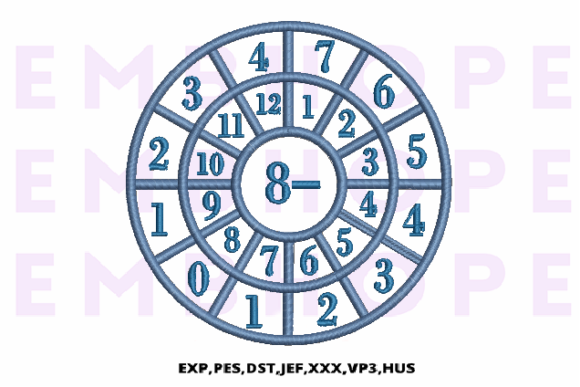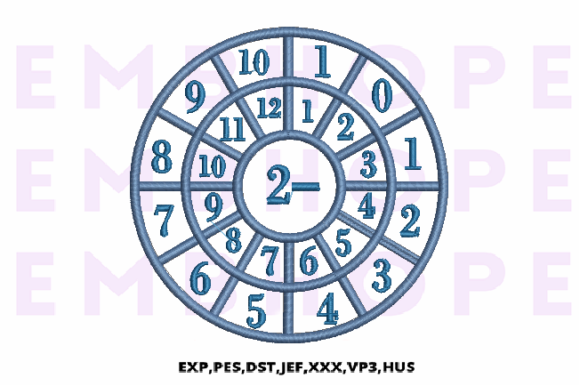
Minus Wheel 2: Engaging Math Through Embroidery
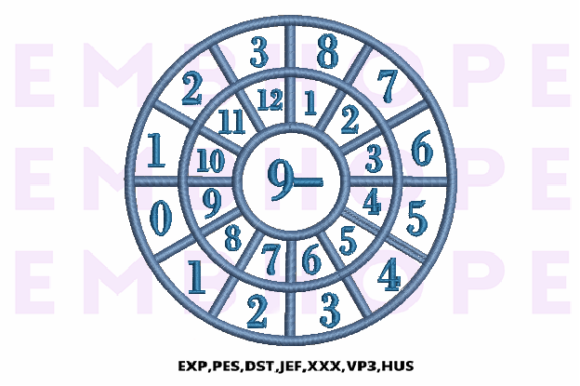
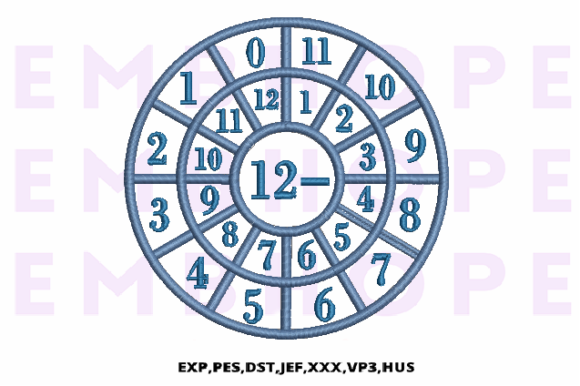
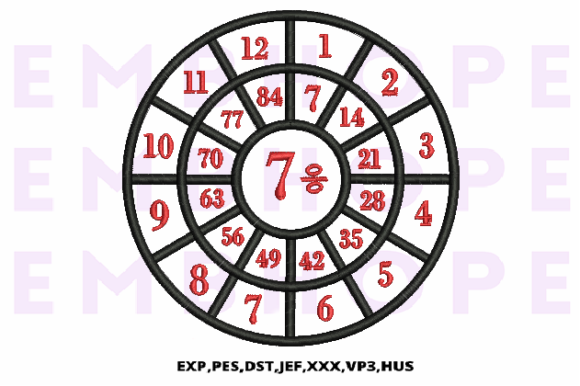
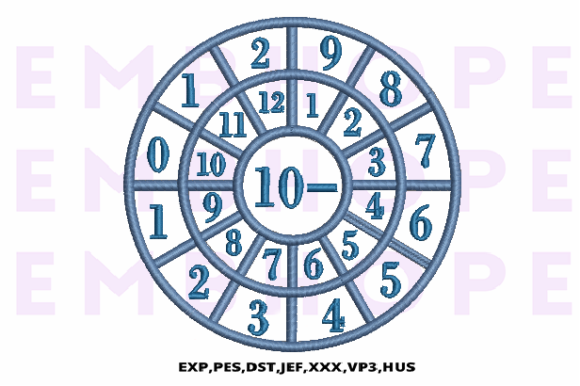
Education is evolving, and the tools we use to engage young minds are becoming increasingly creative. One standout resource in this shift is the Minus Wheel 2, a machine embroidery design that transforms abstract mathematical concepts into tangible, colorful learning aids. At first glance, it might seem unusual to pair arithmetic with needlework, but the cognitive benefits of multisensory learning are well-documented. By integrating bright and cheery Minus Wheels embroidery designs into classroom decor or homeschooling materials, educators can create an environment where math feels less like a chore and more like a playful discovery.
Bridging Creativity and Calculation
The core appeal of the Minus Wheel 2 lies in its ability to make subtraction visual and interactive. Traditional worksheets often fail to capture the attention of kinesthetic learners who need to see and touch concepts to understand them. These embroidery designs serve as permanent, durable visual references that can be stitched onto fabric bags, wall hangings, or even student aprons. The vibrant colors and clear numerical layouts help children visualize the process of taking away, reinforcing number sense in a way that dry text simply cannot.
For teachers and parents, this tool offers a unique opportunity to decorate learning spaces with purpose. Instead of generic posters, you can create custom textiles that reflect the current curriculum. Imagine a reading corner adorned with pillows featuring these wheels, or a math station where students use embroidered fabric strips to solve problems physically. This approach not only enhances the aesthetic of the room but also embeds learning opportunities into the physical environment, making education a constant, low-pressure presence.
Key Characteristics and Technical Quality
When selecting digital assets for professional or educational use, reliability is paramount. The Minus Wheel 2 design is crafted with precision, ensuring that each stitch contributes to a clean, legible final product. One of its most significant strengths is the versatility of file formats included in the package. Whether you are using a Brother, Janome, Bernina, or Husqvarna Viking machine, the design comes compatible with multiple embroidery file types. This broad compatibility removes the technical barrier often associated with digital embroidery, allowing users to focus on creation rather than conversion.
However, it is crucial to address a critical technical consideration: resizing limitations. Machine embroidery designs are engineered with specific stitch densities and pull compensation. The quality of the Minus Wheel 2 cannot be guaranteed if you resize or alter the design significantly. Stretching a small design to fit a large hoop can result in loose stitches and poor definition, while shrinking it may cause thread bunching and needle breaks. To maintain the integrity of the numbers and the wheel structure, it is best to use the design at its intended size. If you need different dimensions, look for alternative sizes within the provider’s catalog rather than forcing a scale change in your software.
Practical Applications in Educational Settings
The utility of these designs extends far beyond simple decoration. Here are several practical ways educators and creators can implement the Minus Wheel 2 in various environments:
- Classroom Wall Art: Stitch the designs onto felt or canvas and frame them. Create a "Math Wall" where students can reference the wheels during independent work.
- Interactive Learning Mats: Embroider the wheels onto durable fabric mats. Students can use dry-erase markers on laminated overlays or place counters on the fabric to solve problems tactilely.
- Student Rewards: Create personalized bookmarks or pencil cases featuring the minus wheel. This serves as both a functional item and a subtle reminder of math skills.
- Homeschool Portfolios: Incorporate the designs into project covers or binder inserts to add a professional, personalized touch to student records.
For entrepreneurs in the educational supply niche, these designs offer a chance to create unique products. Handmade educational toys and decor are in high demand among parents seeking screen-free learning tools. By producing high-quality, embroidered math aids, you can differentiate your brand in a crowded market. The key is to emphasize the durability and aesthetic appeal of the final product, positioning it as an heirloom-quality educational tool rather than a disposable worksheet.
Enhancing Engagement Through Visual Appeal
Children are naturally drawn to bright colors and interesting patterns. The Minus Wheel 2 leverages this attraction by using cheerful color palettes that stand out in any room. This visual appeal is not merely decorative; it plays a psychological role in reducing math anxiety. When math is associated with fun, colorful, and creative activities, students are more likely to approach it with curiosity rather than dread. The embroidery adds texture and depth, making the numbers feel substantial and real, which can be particularly helpful for younger learners still developing fine motor skills and number recognition.
Moreover, the process of creating these items can be a collaborative effort. Older students or volunteers can assist in the embroidery process, learning about machine operation and textile arts while supporting math education. This cross-disciplinary approach fosters a sense of community and shared purpose, enhancing the overall educational experience. It demonstrates that math is not isolated from art or technology but is interconnected with many aspects of daily life and creativity.
Considerations for Best Results
To get the most out of the Minus Wheel 2, proper preparation is essential. Start by selecting the right fabric. Stable, woven fabrics like cotton or linen work best for embroidery, providing a solid foundation for the stitches. Avoid stretchy materials unless you use appropriate stabilizers, as distortion can ruin the clarity of the numbers. Always test stitch the design on a scrap piece of the same fabric before committing to the final project. This step allows you to adjust tension and thread colors to ensure optimal visibility and durability.
Thread choice also matters. High-quality rayon or polyester threads will provide the sheen and strength needed for items that will be handled frequently. Since these designs are intended for educational use, they may undergo regular washing or cleaning. Ensure that your threads and fabrics are colorfast and durable enough to withstand maintenance without fading or fraying. By paying attention to these details, you ensure that the Minus Wheel 2 remains a vibrant and useful resource for years to come.
In conclusion, the Minus Wheel 2 is more than just a digital file; it is a bridge between creativity and cognition. By incorporating these embroidery designs into educational settings, we can make math more accessible, engaging, and enjoyable for children. Whether you are a teacher looking to refresh your classroom, a parent seeking innovative homeschooling tools, or a creator aiming to produce unique educational products, this design offers a valuable blend of functionality and charm. Embrace the potential of textile-based learning and watch how a simple wheel of stitches can spin new interest in mathematics.