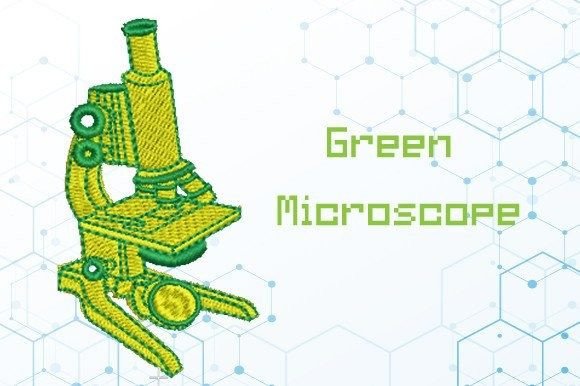
The Green Microscope: Bridging Scientific Curiosity and Textile Art
In the intersection of academic rigor and creative expression, few symbols are as universally recognized as the microscope. It represents discovery, precision, and the hidden worlds that lie just beyond the naked eye. When this iconic instrument is reimagined through the lens of textile art, specifically in the form of a Green Microscope embroidery design, it becomes more than just an image. It transforms into a statement piece that celebrates education, scientific inquiry, and the aesthetic beauty of laboratory equipment. This unique design, inspired directly by students’ science classes, captures the elegant curves and functional shape of the microscope, offering a fresh perspective on how we visualize STEM subjects in everyday life.
The Aesthetic Appeal of Scientific Instrumentation
Scientific instruments are often viewed purely through their utilitarian function. However, there is an inherent beauty in their design. The Green Microscope embroidery highlights this by focusing on the beautiful shape of the device. Unlike sterile, clinical representations found in textbooks, this artistic interpretation softens the rigid lines of metal and glass into flowing threads. The choice of green is particularly significant. In color psychology, green is associated with growth, harmony, and freshness. It is also the color most commonly associated with biology and environmental sciences. By rendering the microscope in this hue, the design subtly connects the tool of observation with the living subjects it is often used to study.
For educators and students alike, wearing or displaying this imagery serves as a constant reminder of the wonder found in science classes. It moves the narrative from rote memorization of parts—eyepiece, stage, objective lenses—to an appreciation of the scientific method itself. The embroidery acts as a visual anchor, grounding abstract concepts in a tangible, wearable format. This approach helps demystify science, making it feel accessible and integrated into daily culture rather than confined to the laboratory.
Technical Versatility for Modern Embroidery Machines
One of the primary considerations for any digital embroidery design is compatibility. Creators, whether they are running small home-based businesses or managing large-scale school fundraising projects, require flexibility. This machine embroidery design comes with multiple embroidery file formats, ensuring it can be used with multiple embroidery machines. This inclusivity is crucial in a fragmented market where brands like Brother, Janome, Bernina, and Husqvarna each have their preferred file types.
By providing a comprehensive suite of formats, the design removes technical barriers for users. A hobbyist with a basic entry-level machine can achieve the same high-quality result as a professional with an industrial multi-needle setup. This accessibility encourages wider adoption, allowing the Green Microscope motif to appear on a diverse range of fabrics and products. Whether stitched onto heavy canvas tote bags, delicate silk scarves, or durable cotton t-shirts, the integrity of the design remains intact. The digitization process has likely optimized stitch counts and underlay structures to prevent puckering, ensuring that the intricate details of the microscope’s shape are preserved regardless of the material.
Applications in Educational and Community Settings
The potential applications for this design extend far beyond personal decoration. Ideally, this embroidery will be on the shirt of a science club somewhere, serving as a unifying symbol for student groups. School science clubs, robotics teams, and biology honor societies often struggle to find merchandise that is both professional and appealing to younger demographics. Standard logos can feel corporate or outdated. An artistic, embroidered microscope offers a trendy, boutique feel that students are proud to wear.
- Science Fairs and Competitions: Volunteers and judges can wear shirts featuring the design to create a cohesive visual identity at events.
- Teacher Appreciation: Customized apparel makes for thoughtful gifts that acknowledge the specific subject matter taught by educators.
- Museum Gift Shops: Science centers and natural history museums can offer high-quality embroidered goods that appeal to visitors interested in STEM.
- Tutoring Centers: Branding materials for after-school programs can utilize the design to emphasize a fun, hands-on approach to learning.
Beyond education, the design resonates with professionals in the medical and research fields. Nurses, lab technicians, and researchers often seek ways to express their professional pride outside of strict uniform codes. A jacket or bag featuring the Green Microscope allows them to carry their professional identity into their personal lives with subtlety and style.
The Role of DIY Culture in STEM Promotion
The rise of the maker movement has blurred the lines between technology, craft, and education. Embroidery, once considered a traditional domestic craft, has been revitalized by digital technology. Integrating a scientific symbol like the microscope into this medium reinforces the idea that STEM is not separate from the arts—a concept known as STEAM. When students see their classroom tools represented in art, it validates their interests and encourages cross-disciplinary thinking.
For parents and homeschoolers, this design offers a project-based learning opportunity. The process of selecting the thread colors, hooping the fabric, and watching the machine stitch the Green Microscope can be a lesson in itself. It introduces concepts of precision, scaling, and digital file management. Furthermore, discussing why the microscope looks the way it does can lead to conversations about optics and magnification. Thus, the act of creating the embroidery becomes an extension of the science curriculum.
Considerations for High-Quality Output
While the design is versatile, achieving the best results requires attention to detail. Users should consider the type of stabilizer used, especially when embroidering on stretchy fabrics like t-shirts. A cut-away stabilizer is often recommended for knit fabrics to ensure the Green Microscope retains its shape over time and through multiple washes. Additionally, thread quality plays a pivotal role. High-sheen rayon or durable polyester threads can enhance the visual impact of the green hues, making the microscope pop against darker or lighter backgrounds.
It is also important to test the design on a scrap piece of fabric before committing to the final product. This allows the operator to adjust tension and ensure that the dense areas of the embroidery, such as the base or the eyepiece, do not cause fabric distortion. By taking these precautions, creators can ensure that the final product reflects the high standards associated with scientific precision.
Fostering Community Through Shared Symbols
Ultimately, the value of the Green Microscope embroidery lies in its ability to foster community. When individuals wear similar symbols, it creates an immediate sense of belonging. For a science club, this shared visual language can boost morale and encourage participation. It signals to others that the wearer is part of a group dedicated to inquiry and learning. In a broader sense, it helps normalize scientific interest in social settings, making it cool to be curious.
As educational institutions continue to look for ways to engage students and promote STEM fields, tools like this embroidery design offer a simple yet effective solution. They bridge the gap between the serious nature of scientific study and the playful, creative aspects of student life. By incorporating such designs into apparel and accessories, schools and organizations can create lasting memories and tangible reminders of the educational journey.
The convergence of digital embroidery technology and scientific iconography represents a niche but growing trend. It demonstrates how traditional crafts can evolve to meet modern needs. The Green Microscope is not just a pattern; it is a celebration of knowledge, creativity, and the enduring human desire to understand the world around us. Whether used for a single personalized gift or a hundred club shirts, it carries with it the spirit of discovery that defines the best science education.