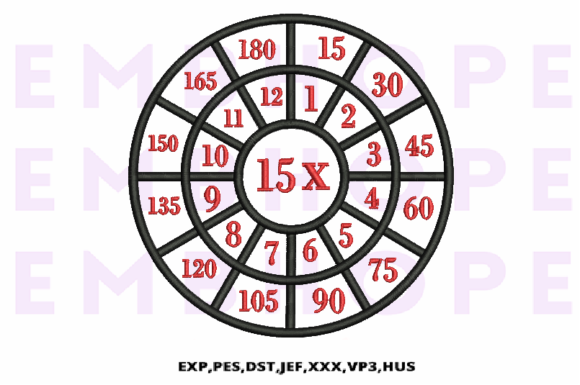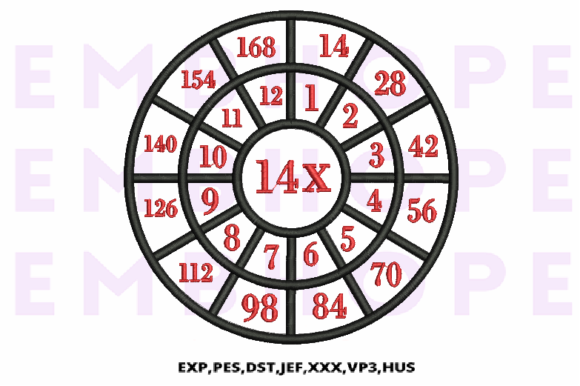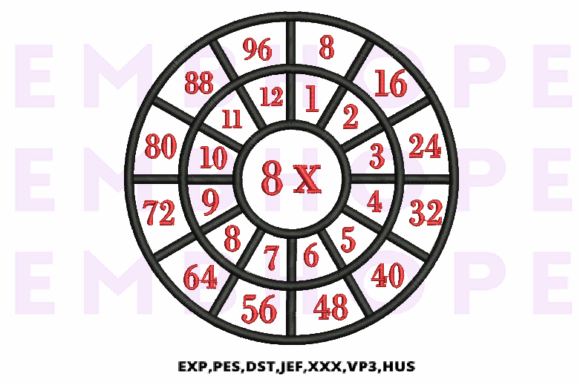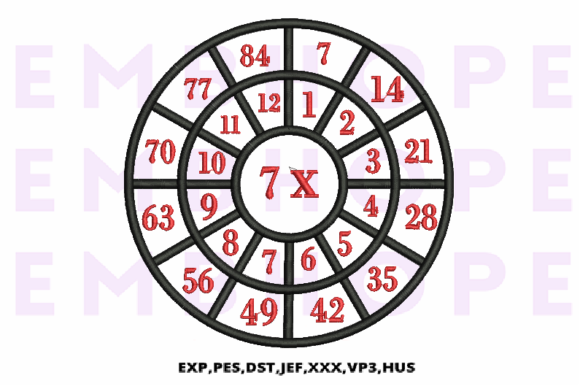
Multiplication Math Wheels 20 X: Stitching Fun Into Times Table Practice
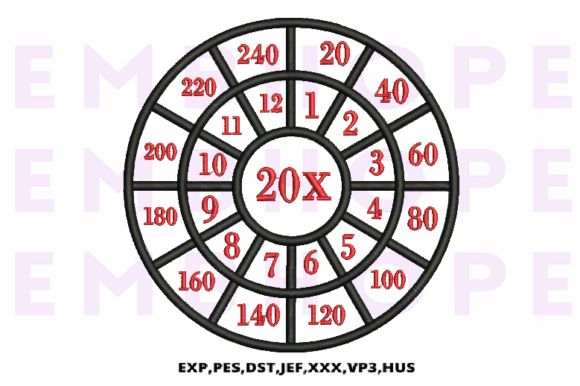
Let’s be honest: getting children to memorize their multiplication tables is rarely a highlight of the school year. For many students, rote memorization feels like a chore, and for parents or teachers, the battle to keep engagement high can be exhausting. This is where creative tools come into play, bridging the gap between necessary academic practice and genuine enjoyment. The Multiplication Math Wheels 20 X offers a unique approach to this challenge by transforming standard math drills into bright, cheery embroidery designs that look fantastic in any classroom or home learning space.
These aren’t just worksheets; they are tactile, visual aids that serve a dual purpose. They function as educational tools while doubling as decorative elements. If you are an educator, a parent homeschooling your kids, or even a small business owner looking for unique educational merchandise, understanding how to leverage these designs can change the way you approach math fluency.
Why Embroidery Designs Work for Math Practice
You might wonder why an embroidery file would be relevant to math education. The answer lies in environmental psychology and visual reinforcement. When learning materials are integrated into the physical environment in an aesthetically pleasing way, they become less intimidating. A sterile worksheet on a desk can induce anxiety, but a colorful, embroidered wheel on a bulletin board invites curiosity.
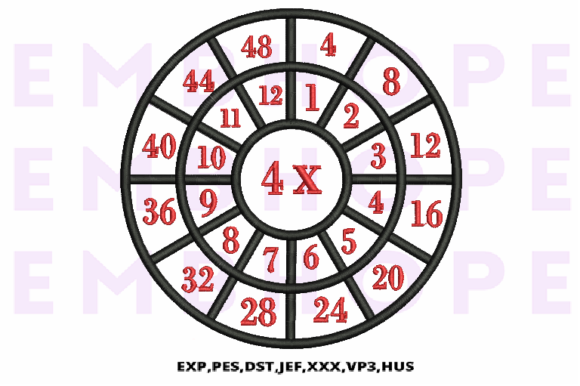
The Multiplication Math Wheels 20 X designs are specifically crafted to be eye-catching. By using vibrant colors and clear numerical layouts, they help visual learners grasp the patterns inherent in multiplication. Seeing the "wheel" structure helps children understand that math is cyclical and patterned, not just a random list of numbers to memorize. When these designs are stitched onto cushions, wall hangings, or tote bags used in the classroom, they create a positive association with the subject matter.
Real-World Applications for Educators and Parents
The versatility of these machine embroidery files means they can be applied in various settings. Here is how different users can maximize their value:
- Classroom Decor: Teachers can embroider these wheels onto fabric squares and pin them up around the room. Each wheel can represent a different times table, creating a colorful reference wall that students can glance at during independent work.
- Homeschool Resources: For parents teaching at home, these designs can be stitched onto aprons or placemats. Imagine a child practicing their 7s while setting the table, with the answers subtly reinforced by the design on their placemat. It turns mundane daily routines into low-pressure learning moments.
- Reward Systems: Create small embroidered patches or badges featuring completed math wheels. These can be awarded to students who master specific tables, providing a tangible, handmade reward that feels more special than a sticker.
- Sensory Learning Tools: Embroidery adds texture. For younger children or those with sensory processing needs, tracing the raised stitches with their fingers while reciting the numbers can enhance memory retention through kinesthetic learning.
Considerations Before You Start Stitching
While the concept is charming, executing it requires some technical awareness. If you are new to machine embroidery, there are a few critical factors to consider before downloading or purchasing the Multiplication Math Wheels 20 X files.
First, understand the limitations of resizing. The product description explicitly notes that the quality cannot be guaranteed when resizing or altering the design. This is a crucial detail. Embroidery files are not like vector graphics; they consist of specific stitch paths, densities, and underlay structures designed for a particular size. If you shrink a design too much, the stitches may bunch up, causing thread breaks or a messy appearance. If you enlarge it, you might see gaps between stitches where the fabric shows through. Always test stitch on a scrap piece of similar fabric before committing to your final project.
Second, consider your hoop size. Ensure your embroidery machine can accommodate the dimensions of the wheel design. Most standard home machines have hoops ranging from 4x4 inches to 5x7 inches. Check the specific dimensions of the Multiplication Math Wheels 20 X to ensure it fits your equipment without needing complex re-hooping techniques.
File Formats and Machine Compatibility
One of the strongest selling points of this resource is its accessibility. The design comes with multiple embroidery file formats, making it compatible with a wide range of machines. Whether you use Brother, Janome, Singer, Husqvarna, or Bernina, you will likely find a format that works seamlessly with your software.
This compatibility is essential for small business owners or Etsy sellers who might want to incorporate these educational designs into their product lines. Being able to offer embroidered math-themed items—such as backpack tags, pencil cases, or study pillows—can tap into a niche market of parents looking for high-quality, educational gifts. However, always verify the license terms included with the download. Some designers allow personal use only, while others permit limited commercial use. Knowing this upfront prevents legal issues down the line.
Enhancing Engagement Through Creativity
Beyond the technical aspects, think about how you can present these wheels to maximize engagement. Don’t just stick them on a wall. Involve the children in the process if possible. Let them choose the thread colors for different number sets. For example, they might decide that all multiples of 5 should be in blue, while multiples of 3 are in red. This color-coding strategy helps in recognizing patterns and makes the learning process active rather than passive.
Furthermore, these designs can spark conversations about geometry and symmetry. As the needle creates the wheel, discuss how the numbers are arranged radially. Ask questions like, "Why do the numbers repeat in this pattern?" or "What happens to the shape if we change the multiplier?" This integrates higher-order thinking skills into what is essentially a drill exercise.
Making the Most of Your Investment
To get the best results from the Multiplication Math Wheels 20 X, focus on quality materials. Use stable fabrics like cotton or linen blends that hold stitches well. Avoid stretchy fabrics unless you use a stabilizer, as distortion can ruin the clarity of the numbers. Remember, the primary goal is readability and aesthetic appeal. If the numbers are distorted, the educational value diminishes.
Also, consider the placement. In a classroom, place the wheels at eye level for the students. In a home setting, integrate them into areas where homework happens. The proximity of the visual aid to the work area reduces friction; students don’t have to get up to check a poster on the far wall if the reference is right there on their desk mat or nearby cushion.
Ultimately, the Multiplication Math Wheels 20 X represents a shift from traditional, dry teaching methods to something more holistic and engaging. It acknowledges that learning happens everywhere, not just at a desk. By combining the precision of math with the creativity of embroidery, you create an environment where numbers feel friendly and accessible. Whether you are stitching for your own children, your students, or your customers, these designs offer a practical, beautiful solution to the age-old challenge of mastering multiplication.