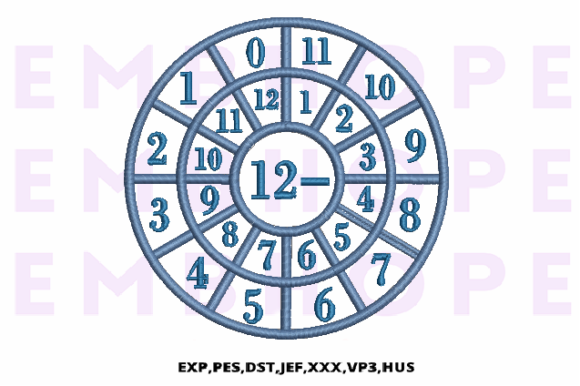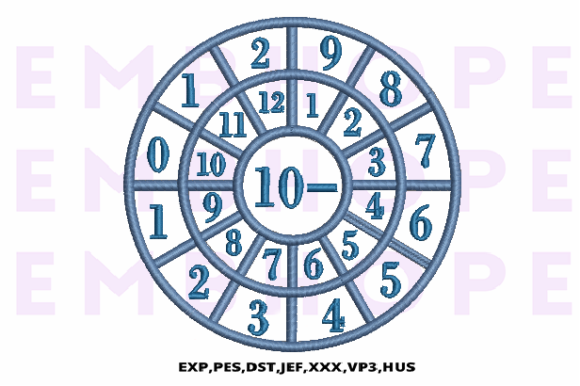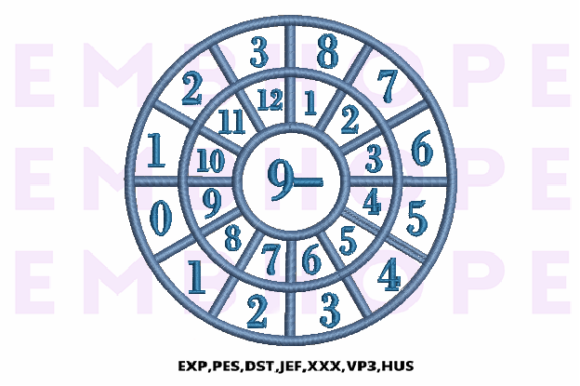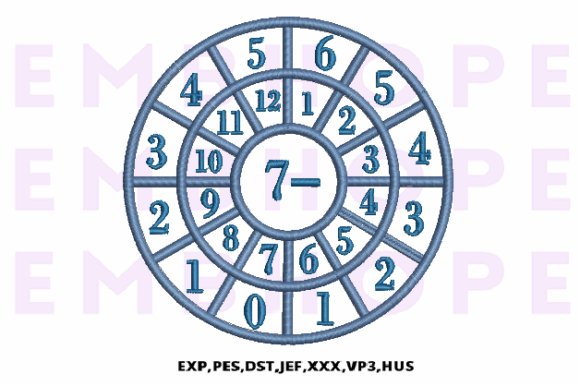
Minus Wheel 6: Bright Math Embroidery
Education does not have to be confined to worksheets and dry textbooks. In fact, some of the most effective learning tools are those that engage the senses and invite tactile interaction. The Minus Wheel 6 embroidery design offers a unique intersection of pedagogical utility and creative expression. It transforms abstract arithmetic concepts into tangible, colorful visuals that can adorn classroom walls, student portfolios, or educational merchandise. For educators, designers, and creative entrepreneurs, this design represents more than just a decorative element; it is a functional tool for encouraging mathematical fluency in young learners through bright, cheery aesthetics.
The Intersection of Craft and Curriculum
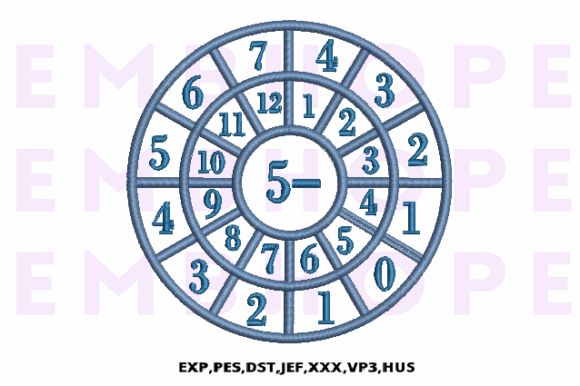
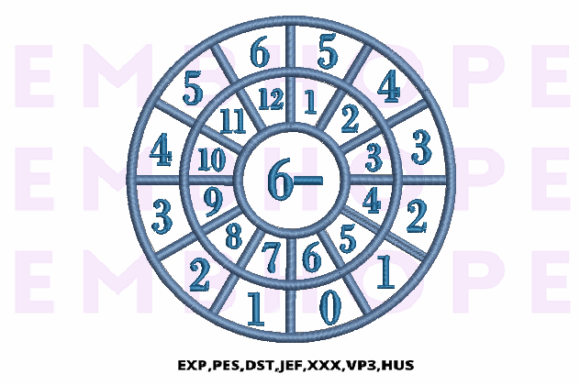
At its core, the Minus Wheel 6 is a visual representation of subtraction facts centered around the number six. However, its value lies in its presentation. By utilizing vibrant thread colors and a circular, wheel-like structure, the design captures attention in a way that standard flashcards cannot. When embroidered onto fabric, the texture adds a layer of sensory engagement. Children are naturally drawn to bright colors and intricate patterns. By placing these designs throughout the classroom—on bulletin boards, cushion covers, or even teacher aprons—you create an environment where math is visible, approachable, and integrated into daily life.
This approach aligns with modern educational theories that emphasize multi-sensory learning. When a child sees the "Minus Wheel" stitched in bold reds, blues, and yellows, the memory of the mathematical relationship becomes anchored to a visual and tactile experience. It turns rote memorization into a game of discovery. For teachers, this means less resistance during math drills and more organic engagement with numerical concepts.
Versatility Across Creative Platforms
One of the strongest assets of the Minus Wheel 6 design is its adaptability. Because it comes with multiple embroidery file formats, it is compatible with a wide range of machines, from home hobbyist models to industrial commercial units. This accessibility opens doors for various creators:
- Educators: Use the design to create custom classroom decor. Imagine a "Math Wall" where each number has its own wheel, stitched onto felt squares and pinned up for easy reference.
- Small Business Owners: Develop a line of educational toys or accessories. Tote bags, pencil cases, and lunch boxes featuring these cheerful designs appeal to parents who value both style and substance in their children’s gear.
- Hobbyists and Parents: Create personalized gifts for young students. A hoodie or a backpack patch with the Minus Wheel can make a child feel proud of their growing math skills.
The key to successful application is context. For a classroom setting, durability is paramount. Using high-quality polyester threads ensures that the design withstands frequent handling and cleaning. For retail products, consider the color palette carefully. While the design is described as "bright and cheery," you may want to offer variations that match specific brand identities or seasonal themes, such as pastels for spring or primary colors for back-to-school campaigns.
Technical Considerations for Quality Results
While the creative possibilities are vast, technical precision is essential for professional results. A critical note for anyone working with this design is that quality cannot be guaranteed when resizing or altering the design. Embroidery files are not like vector graphics; they consist of specific stitch commands, densities, and underlay structures calculated for a particular size. Stretching or shrinking the file significantly can lead to thread breaks, puckering, or loss of detail.
To maintain the integrity of the Minus Wheel 6, adhere to the following best practices:
- Use the Provided Sizes: Stick to the dimensions included in the download package. If you need a different size, look for a design specifically digitized for that scale rather than forcing a resize.
- Test on Scrap Fabric: Before committing to final production, always run a test stitch-out. This allows you to check tension, thread color interaction, and registration.
- Stabilizer Selection: Choose the right stabilizer for your fabric. Cut-away stabilizers are generally recommended for items that will undergo frequent washing or wear, such as classroom banners or children’s clothing.
By respecting the technical limitations of machine embroidery, you ensure that the final product remains crisp, clear, and visually appealing. This attention to detail reflects professionalism and enhances the perceived value of the end item, whether it is a free classroom resource or a sold product.
Expanding the Concept: Beyond the Single Wheel
The Minus Wheel 6 is just one piece of a larger puzzle. To maximize its impact, consider integrating it into a broader series. Creating a complete set of subtraction wheels for numbers one through ten allows for progressive learning. Students can start with simpler wheels and work their way up, tracking their progress visually. This series approach also provides excellent content opportunities for bloggers and marketers. You can create tutorials on how to use each wheel, share lesson plans, or showcase different fabrication ideas.
Furthermore, think about interactive applications. Instead of just displaying the wheel, could it be part of a hands-on activity? For instance, embroider the wheel onto a fabric board and use velcro-backed numbers that students can move around to solve problems. This transforms the static design into a dynamic learning tool. Such innovations demonstrate a deep understanding of user needs, combining aesthetic appeal with functional utility.
Building a Brand Around Educational Creativity
For entrepreneurs and marketers, the Minus Wheel 6 design offers a chance to position a brand as both creative and educationally conscious. In a market saturated with digital apps and screen-based learning, physical, tactile resources stand out. Highlighting the craftsmanship involved in embroidery—the choice of threads, the precision of the stitches, the durability of the fabric—adds a narrative of quality and care.
When marketing these items, focus on the benefits: improved math confidence, engaging classroom environments, and unique, handmade quality. Use high-resolution images that show the texture of the stitches and the vibrancy of the colors. Share stories of how teachers or parents have used the designs to spark joy in learning. Authentic testimonials and real-world examples build trust and demonstrate the practical value of the product.
Ultimately, the Minus Wheel 6 is more than a digitized pattern. It is a catalyst for creativity in education. By embracing its potential, you can create resources that are not only visually striking but also genuinely useful. Whether you are stitching for your own classroom, designing for a client, or building a product line, let the bright, cheery nature of the design inspire you to think beyond the hoop. The goal is to make learning visible, tangible, and fun—one stitch at a time.