Encouraging Positive Behavior Through Creative Embroidery Projects
In the realm of child development and education, positive reinforcement remains one of the most effective tools for shaping behavior. While verbal praise and tangible rewards like stickers are common, there is a growing trend toward more personalized, lasting tokens of achievement. This is where creative crafts intersect with behavioral psychology. The Stars of All Good Children represents more than just a decorative motif; it serves as a symbolic badge of honor that can be integrated into daily routines at home or in the classroom. By utilizing machine embroidery to create these symbols, parents and educators can offer a unique, tactile form of recognition that children truly value.
The Psychology Behind Symbolic Rewards
Children respond remarkably well to visual cues. A star has long been universally recognized as a symbol of excellence, brightness, and achievement. When a child sees a star embroidered on their backpack, jacket, or a special certificate holder, it creates a sense of pride and ownership. Unlike a paper sticker that might peel off or get lost, an embroidered design is durable and permanent. This permanence reinforces the idea that good behavior is a lasting trait, not just a fleeting moment.
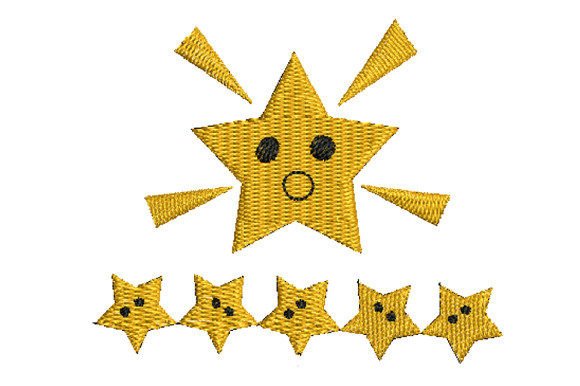
The Stars of All Good Children design captures this sentiment perfectly. It is not merely a generic five-pointed shape; it is crafted with attention to detail, making it suitable for projects specifically aimed at encouraging good behavior in children or students. The act of receiving an item with this design stitched onto it becomes a ritual. It marks a milestone. Whether it is completing a week of homework without complaint, showing kindness to a sibling, or mastering a new skill in school, the embroidered star serves as a physical testament to that effort.
Versatility in Modern Crafting Workflows
One of the primary advantages of using digital embroidery designs is their adaptability. Modern embroidery machines are sophisticated pieces of technology that can handle a wide variety of fabrics and thread types. The design known as The Stars of All Good Children comes with multiple embroidery file formats, ensuring compatibility with a vast array of machines. This accessibility is crucial for both hobbyists and professional crafters who may use different brands or models of equipment.
Consider the workflow of a parent who wants to create a "behavior chart" that is actually wearable. Instead of a static poster on the wall, they might choose to embroider these stars onto a denim jacket or a canvas tote bag. Each time the child exhibits positive behavior, a new star is added. Over time, the garment becomes a storybook of their achievements. Because the design files are available in various formats, the crafter can easily resize or adjust the density of the stitching to suit different materials, from thick denim to delicate cotton blends.
Ideal Projects for Educational and Home Settings
The applications for this specific embroidery design are nearly endless. Here are several practical ways to incorporate The Stars of All Good Children into your projects:
- Custom Reward Badges: Create iron-on or sew-on patches that can be awarded weekly. These can be collected on a special sash or vest, similar to scouting merits.
- Personalized School Supplies: Embroider the stars onto pencil cases, lunch bags, or book covers. This helps children identify their belongings while subtly reminding them of their goals.
- Classroom Decor: Teachers can use the design to create bunting or wall hangings. Each star could represent a class-wide achievement, fostering a sense of community and shared success.
- Bedtime Story Pillows: A pillowcase featuring the star design can serve as a comforting reminder of the day’s successes, promoting a positive mindset before sleep.
These projects do more than just decorate; they engage the child in the process. Involving children in the selection of thread colors or the placement of the design can increase their investment in the outcome. It transforms the reward from something given to them into something created with them.
Technical Considerations for Quality Results
To ensure that The Stars of All Good Children looks professional and lasts through washes and wear, certain technical factors must be considered. First, stabilizer choice is critical. For stretchy fabrics like t-shirts, a cut-away stabilizer provides the necessary support to prevent puckering. For woven fabrics like cotton or canvas, a tear-away stabilizer may suffice. The design’s integrity depends on this foundational support.
Thread quality also plays a significant role. Using high-quality rayon or polyester embroidery thread ensures that the stars remain vibrant and do not fade quickly. Polyester is particularly recommended for items that will be washed frequently, such as backpacks or clothing, due to its durability and resistance to bleaching agents. Additionally, paying attention to needle size and type can prevent skipped stitches or fabric damage. A sharp embroidery needle is generally best for woven fabrics, while a ballpoint needle is safer for knits.
Since the design comes in multiple file formats, users should select the format that best matches their machine’s native language. While most modern machines can convert files, using the native format often results in faster loading times and fewer errors during the stitching process. This efficiency is vital when producing multiple items, such as when a teacher needs to create rewards for an entire class.
Fostering a Culture of Encouragement
Beyond the technical aspects of embroidery, the broader impact of using The Stars of All Good Children lies in its ability to foster a culture of encouragement. In educational settings, teachers are constantly seeking non-material ways to motivate students. Traditional rewards like candy or toys can lose their appeal or create dependency. An embroidered star, however, carries emotional weight. It signifies recognition from an authority figure or parent, which is often more valuable to a child than the object itself.
This approach aligns with modern parenting and teaching philosophies that emphasize growth mindset. By focusing on effort and improvement rather than innate ability, adults help children develop resilience. The star becomes a marker of progress. If a child struggles with sharing, for example, earning a star for a successful playdate highlights their improvement in that specific area. It breaks down large behavioral goals into manageable, celebratable moments.
Building Emotional Connections Through Craft
There is also a deep emotional connection formed when a loved one takes the time to create something by hand. In an increasingly digital world, the tactile nature of embroidery stands out. When a child receives a item adorned with The Stars of All Good Children, they are receiving a piece of someone’s time and care. This strengthens the bond between the giver and the receiver, making the positive reinforcement even more effective.
Furthermore, these projects can become family traditions. Imagine a yearly ritual where each family member earns stars for their personal goals, all embroidered onto a shared family quilt or banner. This not only encourages individual good behavior but also builds a sense of unity and shared values within the household.
Making the Right Choice for Your Needs
When selecting embroidery designs for behavioral rewards, consider the age group and interests of the children. While stars are universally appealing, the context matters. For younger children, bright, contrasting colors work best to catch their eye. For older students, a more subtle, monochromatic approach might be preferred to avoid appearing too childish. The versatility of The Stars of All Good Children allows for this customization. By changing thread colors and fabric backgrounds, the same design can feel playful for a kindergartner or sophisticated for a middle schooler.
It is also important to consider the frequency of the reward. If stars are given too freely, they may lose their significance. If they are too rare, children may become discouraged. Finding the right balance is key. Using embroidery allows for a tiered system: small stars for daily wins, larger or more intricate versions for major milestones. The scalability of machine embroidery makes this tiered approach easy to implement without requiring entirely new designs.
In conclusion, integrating The Stars of All Good Children into your crafting repertoire offers a meaningful way to support positive development. It combines the joy of creation with the power of positive reinforcement. Whether you are a parent looking to encourage better habits at home or an educator aiming to build a supportive classroom environment, this design provides a flexible, durable, and emotionally resonant tool. By investing time in these personalized touches, you are not just stitching fabric; you are weaving confidence and pride into the lives of the children around you.