Addition Wheel 8: Fun Math Embroidery Designs
Integrating tactile learning tools into educational environments has long been a proven strategy for enhancing student engagement. When children can see, touch, and interact with mathematical concepts, abstract numbers often become more concrete and less intimidating. This is where the Addition Wheel 8 embroidery design steps in as a unique intersection of pedagogy and craft. It is not merely a decorative element; it is a functional teaching aid that brings brightness and utility to classroom walls, student folders, or homeschooling resources.
For educators, parents, and creative entrepreneurs, these designs offer a refreshing alternative to standard printed worksheets. By embroidering these wheels onto fabric, you create durable, high-contrast visual aids that withstand daily handling. The cheerful aesthetic helps lower math anxiety, making practice feel like play rather than a chore. Whether you are stitching for your own child’s study corner or creating products for a school fundraiser, understanding how to maximize the potential of this specific design is key to achieving professional results.
Understanding the Design and Its Educational Value
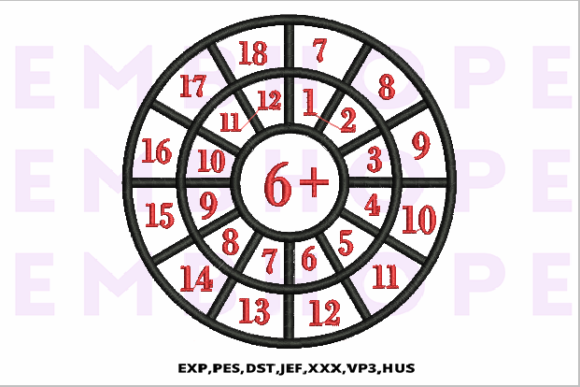
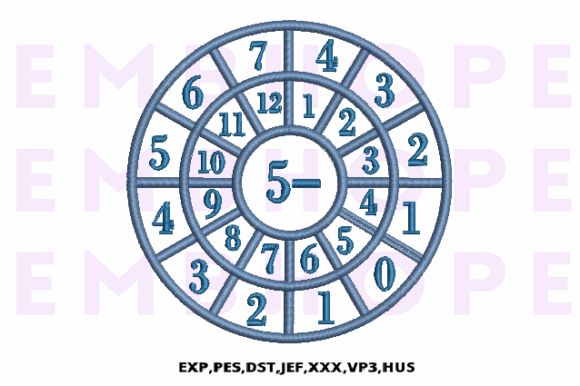
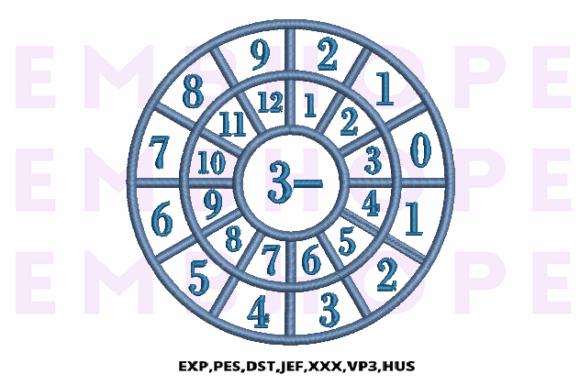
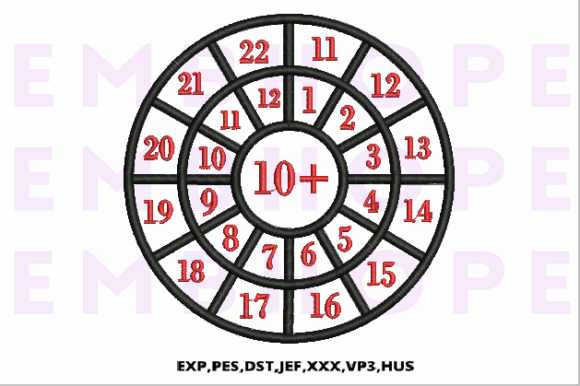
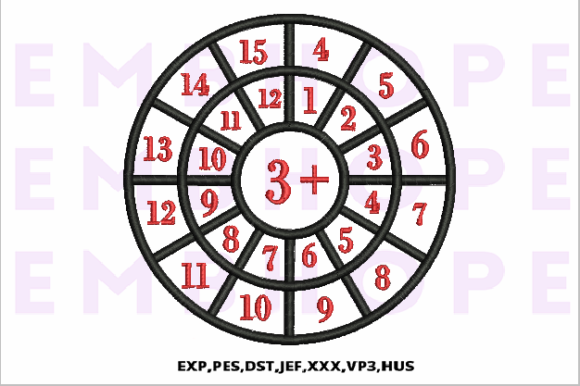
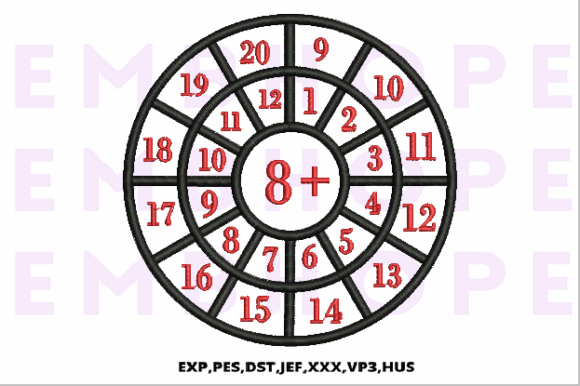
The Addition Wheel 8 focuses on the fundamental arithmetic combinations that sum up to eight. In early mathematics education, mastering number bonds is crucial for developing mental math fluency. This design typically features a central hub with spokes radiating outward, each representing a pair of numbers that add together to equal eight, such as 5+3, 6+2, or 4+4. The circular layout is intuitive, allowing young learners to trace the relationships between numbers visually.
What sets this machine embroidery design apart is its dual purpose. Aesthetically, it serves as bright and cheery decor. Educationally, it acts as a constant reference point. When embroidered on a tote bag, a child carries their study tool with them. When stitched onto a classroom banner, it becomes part of the learning environment’s fabric—literally. The vibrant colors often associated with these designs capture attention, which is the first step in effective learning for younger demographics.
Moreover, the tactile nature of embroidery adds a sensory dimension. Raised stitches can help kinesthetic learners engage with the material differently than flat ink on paper. This multisensory approach supports diverse learning styles, making the Addition Wheel 8 a valuable asset for inclusive education settings.
Practical Applications in Classroom and Home Settings
The versatility of this design allows for numerous applications beyond simple wall art. Here are several practical ways to utilize these embroidery files effectively:
- Classroom Decor: Stitch the wheels onto felt squares and pin them to bulletin boards. They look great embroidered throughout the classroom, creating a cohesive and inviting math corner.
- Personalized Learning Kits: Embroider the design onto canvas pencil cases or backpacks. This turns everyday items into subtle study aids, reinforcing math facts during transit or play.
- Interactive Quilts: Create a class quilt where each square features a different addition wheel. Students can contribute by choosing thread colors, fostering a sense of ownership and community.
- Homeschool Resources: Use the design on aprons or placemats for kitchen-table learning sessions. It integrates math into daily routines without feeling forced.
For small business owners and Etsy sellers, these designs open up a niche market for educational crafts. Parents are increasingly seeking high-quality, screen-free learning tools. Offering custom-embroidered items featuring the Addition Wheel 8 can differentiate your product line from mass-produced plastic toys.
Technical Considerations for Best Results
While the creative possibilities are endless, technical precision is vital for machine embroidery. One critical aspect to remember is that the quality cannot be guaranteed when resizing or altering the design. Embroidery files are compiled with specific stitch densities, pull compensation, and underlay structures tailored to the original dimensions. Stretching or shrinking the file significantly can lead to thread breaks, puckering, or distorted shapes that render the numbers illegible.
To maintain integrity, always test stitch on a similar fabric before committing to the final project. If you need a larger or smaller version, it is often better to purchase a size-specific file if available, rather than manually resizing a single file. This ensures that the stitch count remains appropriate for the area being covered.
Additionally, this machine embroidery design comes with multiple embroidery file formats, such as PES, DST, JEF, and EXP. This compatibility means it can be used with multiple embroidery machines from various brands, including Brother, Janome, Bernina, and Husqvarna. However, always verify that your specific machine model supports the file format provided. Converting files using third-party software can sometimes introduce errors, so using the native format for your machine is the safest route.
Choosing Materials and Threads
The substrate you choose impacts both the durability and the visual appeal of the Addition Wheel 8. For classroom use, durability is paramount. Heavyweight cotton, canvas, or denim provides a stable base that holds stitches well and resists wear and tear. Avoid slippery fabrics like satin or sheer materials, as they can shift during stitching and distort the numerical alignment.
Thread selection also plays a pivotal role. High-contrast colors ensure the numbers are easy to read from a distance. For example, using navy blue thread on a yellow background creates excellent visibility. Polyester threads are recommended for their strength and colorfastness, especially if the embroidered item will be washed frequently. Rayon threads offer a beautiful sheen but may be less durable under heavy friction.
Stabilizers are non-negotiable for clean results. A cut-away stabilizer is ideal for stretchy fabrics or items that will undergo frequent washing, as it provides permanent support. Tear-away stabilizers work well for stable woven fabrics like cotton twill, offering easier removal after stitching.
Final Thoughts on Implementation
Incorporating the Addition Wheel 8 into your teaching or crafting repertoire is a smart move for anyone looking to blend creativity with education. It transforms a basic math concept into an engaging visual experience. By respecting the technical limitations of the design files and choosing high-quality materials, you can produce professional-grade educational tools that stand the test of time.
Whether you are a teacher aiming to brighten your classroom or a parent seeking innovative homeschooling aids, these embroidery designs offer a charming and effective solution. They remind us that learning does not have to be sterile or stressful. With a bit of thread and creativity, math can become a colorful, tactile, and enjoyable part of a child’s daily life.